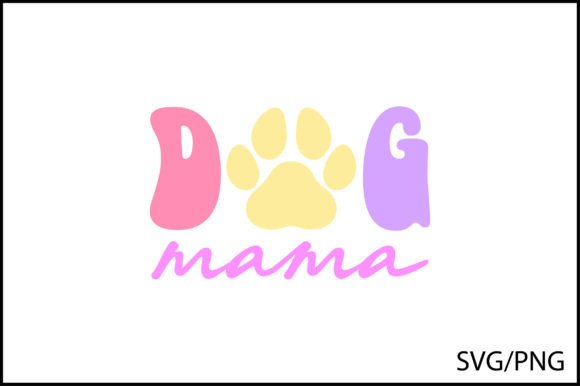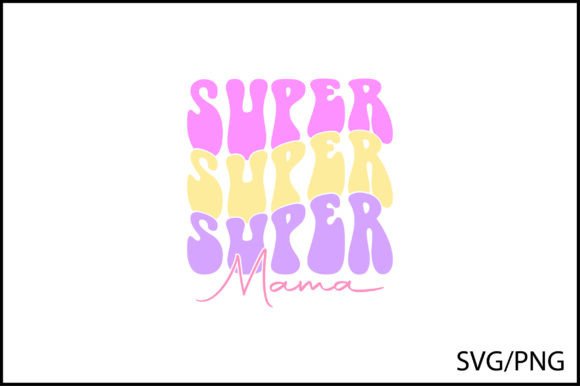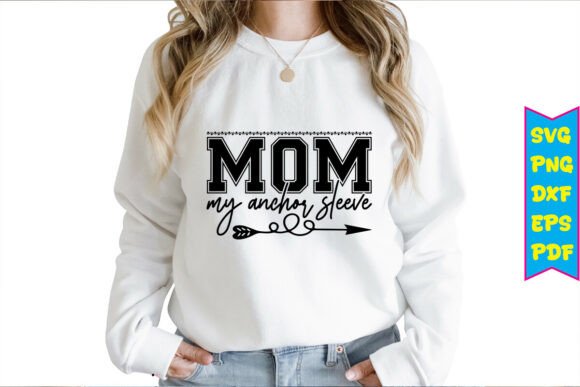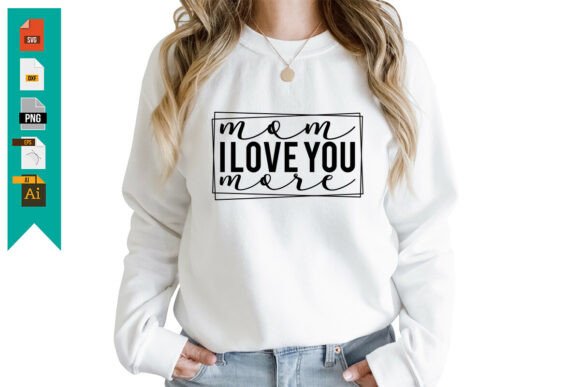
HAPPY MAMA Retro T-shirt Design Review
Embroidery design is more than just pretty pixels on a screen—it’s about how it translates into the real world. As someone who has tested hundreds of machine embroidery designs, I approach each one with a mix of curiosity and skepticism. When I first laid eyes on the HAPPY MAMA Retro T-shirt Design, I was drawn to its nostalgic charm and clean lines. But does it hold up in practical use? Let’s dive into what this embroidery file can do—and where it might need a little help.
A Nostalgic Vibe with Modern Versatility
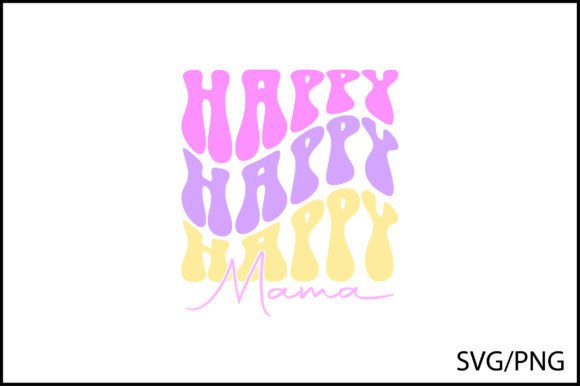
The HAPPY MAMA Retro T-shirt Design immediately evokes a sense of vintage warmth. It features bold lettering with soft curves and subtle retro elements that give it character without overwhelming the eye. The layout is balanced—neither too cramped nor too spaced out—which makes it adaptable for various projects beyond just T-shirts. From custom apparel to handmade product embellishments, this design feels like a classic you’d expect to see in an old-school boutique or on a personalized gift.
As an embroidery designer, I appreciate the visual personality it brings. It’s not overly complex, which is a big plus when working with different fabric types and hoop sizes. However, there are details worth noting, especially if you’re planning to use it in a commercial embroidery setting or for a wide range of products.
Real-World Embroidery Performance
I tested the HAPPY MAMA design on a few common substrates: cotton T-shirts, felt patches, and flannel sweatshirts. On a medium-weight cotton T-shirt, the stitch quality was excellent. The satin stitch outlines held their shape well, and the fill areas were even without puckering. The text was readable at a glance, which is crucial for anything intended as a personalized gift or branding element.
- Tote bags: The design looked great on a canvas tote bag. The retro feel paired nicely with the texture of the fabric, though I did have to adjust the stabilizer type to prevent shifting during stitching.
- Baby clothes: The font size and spacing made it ideal for baby onesies and hoodies. It wasn’t too large, so it didn’t overwhelm the garment, but still had enough presence to be noticed easily.
- Sweatshirts: The design translated well onto thicker materials. The contrast between the thread colors and the fabric background helped the text pop, making it suitable for both casual wear and branded merchandise.
- Patches and aprons: This design works particularly well as an embroidered patch. Its simplicity allowed it to maintain clarity after being trimmed and heat-set. On aprons, it added a charming touch that could appeal to customers looking for something personal yet professional.
Visual Appeal and Customer Reaction
One of the most important aspects of any embroidery project is how the finished product looks and how it resonates with buyers. In my experience, people love designs that feel intentional and nostalgic. The HAPPY MAMA design fits this perfectly. It doesn’t scream for attention; instead, it quietly charms with its warm typography and thoughtful layout.
Customers tend to gravitate toward items that reflect positive sentiment, and this design definitely delivers. Whether used on a holiday gift or a nursery decor item, it adds a layer of emotional value. For Etsy sellers or craft business owners, this kind of detail can make all the difference in buyer engagement and perceived product value.
Where to Use It Carefully
While the HAPPY MAMA design is versatile, there are situations where you’ll want to tread carefully. Here are some key considerations:
- Small hoop sizes: If you're working within tight constraints, such as a small hoop size, the design may lose some of its impact. You might consider resizing it, but always test it first to ensure clarity isn’t compromised.
- Textured fabrics: Fabrics like denim or linen can affect stitch definition. The design holds up reasonably well, but extra attention should be paid to thread colors and stabilizer choice.
- Stretchy or thin materials: Stretchy fabrics like spandex blends can distort the design unless properly stabilized. Thin fabrics may require using a backing or adjusting stitch density to avoid transparency issues.
- Dark backgrounds: While the design includes multiple color options, dark-colored garments will need high-contrast threads. Always create a black-and-white mockup to simulate how it will look under low light conditions.
- Curved surfaces: Placing this design on a curved surface like a cap or pillow cover requires careful alignment and possibly breaking the design into smaller sections for better results.
- Frequent washing: Because this design uses fine details and delicate stitches, it's best suited for items that won’t endure heavy wear or frequent washing. For baby clothes or kitchen towels, reinforcing the back with a washable stabilizer is essential.
Professional Touches for Brand Consistency
For those of us managing a small shop product line or running an Etsy seller brand, consistency is key. The HAPPY MAMA design offers a consistent visual language that aligns with themes of love, family, and celebration. It can serve as a cornerstone for a collection centered around motherhood or personalization.
Its adaptability also means it can work across different formats—from embroidered printable mockups for digital product previews to physical design assets for in-person craft fairs. Just remember to check the file formats included (typically SVG and PNG) and ensure they suit your specific software needs before committing to production.
Designer Notes for Real Projects
Here are some practical tips I’ve gathered while working with the HAPPY MAMA design:
- Test on scrap fabric first: Before stitching on a final product, run a sample on a similar material. This helps identify potential issues with stitch density or thread tension.
- Review thread color contrast: Especially if you plan to use it on darker or patterned fabrics. Even slight shifts in color perception can change the overall effect.
- Inspect small details: Look closely at corners and edges. A well-designed file will retain sharpness and smoothness after stitching, which is vital for maintaining professionalism in your finished product.
- Confirm licensing terms: Since this falls under the Freebies category, double-check whether the embroidery file allows commercial use. Many free designs come with restrictions that can impact your ability to sell the Graphics-based products.
- Use proper stabilizer: Depending on your fabric, choose a stabilizer that prevents distortion and ensures clean, crisp lines. Wash-away or tear-away stabilizers are often good choices for cotton and felt.
Final Thoughts from the Hoop
Overall, the HAPPY MAMA Retro T-shirt Design is a solid addition to your embroidery project toolkit. It brings a warm, vintage aesthetic that feels authentic and timeless. As a designer, I find it particularly useful for creating personalized gifts or adding a unique flair to small shop product lines.
However, like any machine embroidery design, it requires a bit of finesse to get right. Pay attention to the subtleties—fabric texture, thread contrast, and stitch behavior. These small adjustments can elevate your handmade product from good to unforgettable.
If you're considering using this design in a commercial embroidery venture, take the time to review its limitations and possibilities. With the right care and preparation, the HAPPY MAMA design can become a signature piece in your portfolio, helping build customer trust and brand recognition.